
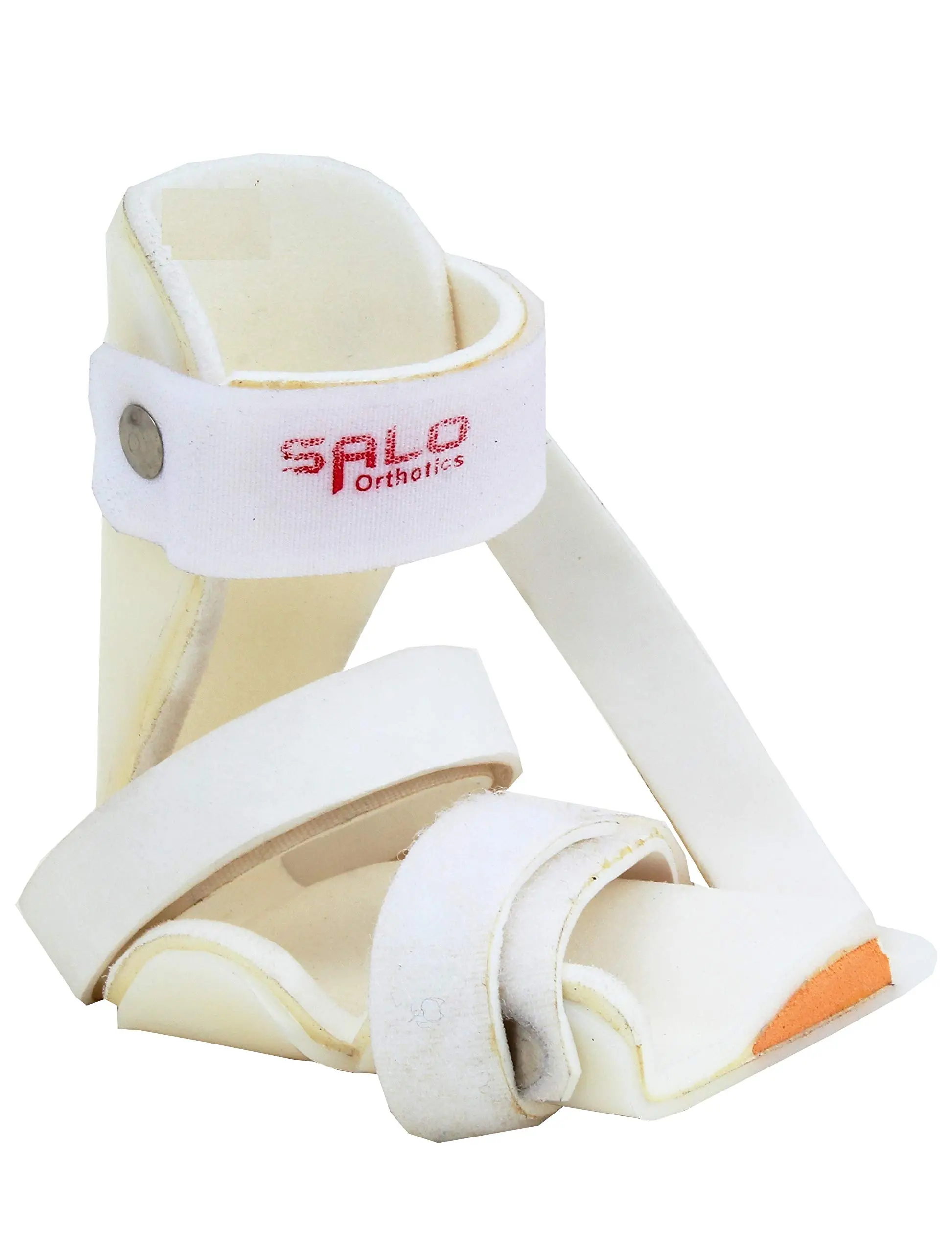
CTEV Splint
Key Features
- Designed for Post-Ponseti Correction Maintenance
- Holds Foot in Abducted, Dorsiflexed Positioning
- Full-Contact Padded Interior for Infant Skin Safety
- Adjustable Velcro Straps for Secure, Easy Fitting
- Lightweight, Non-Porous & Antimicrobial Material
- Applicable Across Both Conservative & Post-Surgical Management
- Sized for Newborns, Infants & Young Children
CTEV Splint — Paediatric Clubfoot Orthosis for Congenital Talipes Equinovarus Correction, Maintenance & Relapse Prevention
The CTEV Splint is a clinically designed paediatric foot orthosis developed to address one of the most prevalent congenital musculoskeletal conditions in newborns — Congenital Talipes Equinovarus (CTEV), commonly known as clubfoot. A congenital deformity affecting 1 to 10 per 1000 live births, clubfoot is characterised by the foot being twisted inward and downward at birth, with the four classical deformity components of cavus (elevated medial arch), adductus (forefoot turned inward), varus (hindfoot rotated inward), and equinus (foot fixed in plantarflexion). If left unmanaged, the condition leads to lifelong difficulty with walking, footwear, and quality of life — making early, consistent orthotic intervention a clinical imperative.
The Critical Role of Splinting in CTEV Management
The goal of clubfoot treatment is to provide long-term correction of the deformity, resulting in a foot that is fully functional and pain-free. The globally accepted gold-standard Ponseti method achieves initial correction through a programme of serial manipulation and plaster casting, often followed by percutaneous Achilles tenotomy to address residual equinus. However, the correction achieved through casting is not self-sustaining — the immature soft tissues of the infant foot have a strong biological tendency to revert towards their original position unless held continuously in the corrected alignment. This is where the CTEV splint plays its essential and irreplaceable role.
Following correction of the clubfoot deformity, splinting for many months is indispensable to help prevent relapses. The main corrective force of the varus and adduction of the clubfoot is abduction — that is, external rotation of the foot under the talus — and a splint is needed to maintain the foot in the same degree of abduction as it was achieved in the last plaster cast. Without consistent splinting in the post-casting phase, relapse rates are significantly elevated, often necessitating repeat casting or surgical intervention.
Extended Wear Schedule & Developmental Considerations
Following the Ponseti method, the child has to wear the splint day and night until the age of 18 months, and some children need to wear it for a longer period.This intensive wearing schedule reflects the biological reality of early childhood skeletal development — the bones, ligaments, and tendons of the foot remain highly mouldable throughout infancy, and consistent positional splinting actively shapes this development in the correct direction. As the child matures and the foot demonstrates maintained correction, wear time is typically reduced to overnight use under clinical guidance.
The CTEV splint is designed with this demanding schedule in mind. Its fully padded interior, soft adjustable straps, and lightweight construction are all features chosen to maximise comfort and minimise the skin-related complications — pressure sores, skin abrasion, and blistering — that are among the most common reasons for families discontinuing splint use prematurely, thereby placing the child at risk of deformity relapse.
Broader Clinical Applications Beyond Post-Ponseti Care
The CTEV splint is used in the treatment of deformities including equinus, clubfoot, forefoot adductus, varus, and tibial torsion making it applicable across a broader range of paediatric lower limb conditions beyond idiopathic CTEV. It is also clinically indicated following surgical interventions such as soft tissue release, tendon transfer, and osteotomy procedures, where maintained post-operative positioning is essential to preserve surgical outcomes and prevent recurrence during the recovery and remodelling phase.
Supporting Families Through the Treatment Journey
Parental and carer compliance is one of the strongest determinants of successful long-term CTEV outcomes. A splint that is comfortable, easy to apply correctly, and well-tolerated by the child significantly increases the likelihood that the wearing schedule will be maintained consistently over the months and years required. The CTEV splint's user-friendly Velcro strap system, hygienic washable materials, and paediatric sizing range are all features designed to support families in maintaining the rigorous compliance that clinical success demands.
Indicated For: Congenital talipes equinovarus (idiopathic, syndromic, and neurogenic), post-Ponseti serial casting maintenance, post-operative foot positioning following tenotomy or soft tissue release, equinus deformity, hindfoot varus, forefoot adductus, tibial torsion, and relapse prevention in previously treated clubfoot.